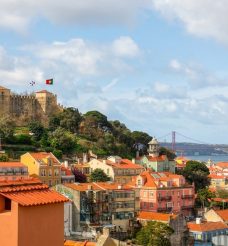
Discover Avenidas Novas, a side of Lisbon that still feels like a neighbourhood
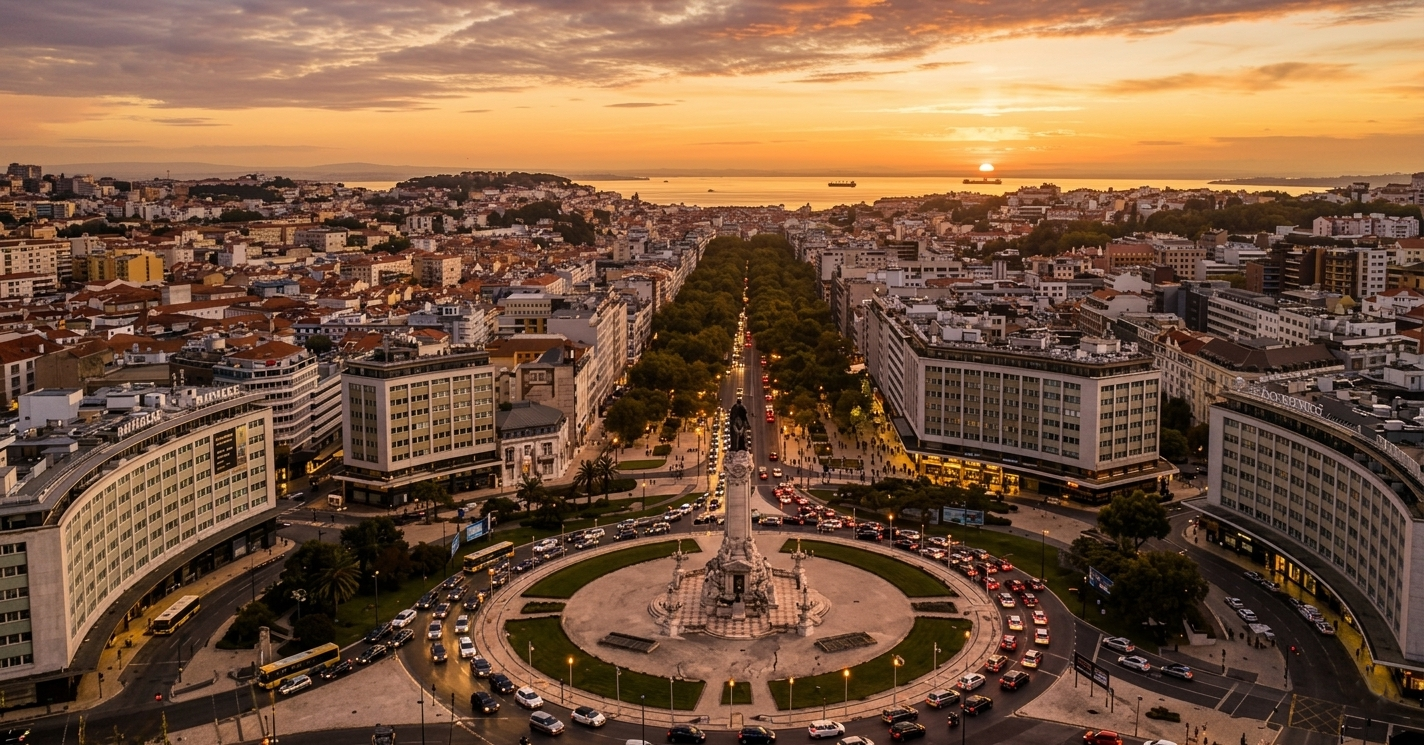
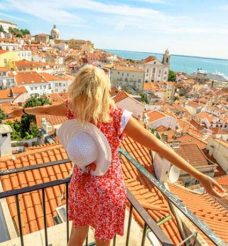
There is a Lisbon that appears on every postcard. Yellow trams, the hills of Alfama, the monuments of Belém and viewpoints overlooking the Tagus.
And then there is another.
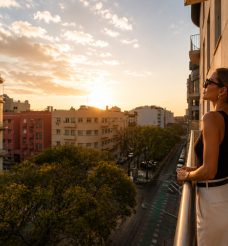
A Lisbon of neighbourhood cafés, gardens where people read in the shade, markets frequented by those who live nearby, independent shops, restaurants buzzing at lunchtime and broad avenues where everyday life still sets the pace.
This is the Lisbon you find in Avenidas Novas.
Between Saldanha, Campo Pequeno, Avenida de Berna, São Sebastião and the Gulbenkian, this part of the city offers something particularly appealing in one of Europe’s most visited capitals: the chance to stay right in the centre without constantly feeling that you are on the tourist trail.
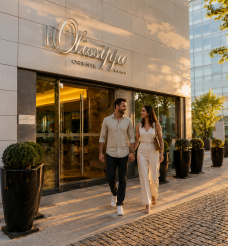
From Olissippo Saldanha and Olissippo Marquês de Sá, simply step outside and start exploring.
The Lisbon that grew north
To understand Avenidas Novas, we need to go back to the late 19th century, when Lisbon began expanding northwards.
The historic city, compressed between hills and narrow streets, needed space. The urban development associated with engineer Ressano Garcia introduced a new scale to the capital: broad avenues, generous pavements, regular city blocks and a more modern, cosmopolitan vision of Lisbon.
Over the following decades came residential neighbourhoods, townhouses and buildings reflecting successive architectural movements. Walking through Avenidas Novas today means moving through different chapters of Lisbon’s history: Art Nouveau and Art Deco façades, modernist buildings, old villas and contemporary architecture all coexist within the same urban landscape.
Here, it pays to look up.
But architecture is only part of the story. What makes Avenidas Novas especially interesting is that it has never stopped being lived in.
Homes, offices, schools, shops, markets, cafés and restaurants continue to coexist. In the morning, people head to work; at lunchtime, tables fill; towards evening, cafés and terraces become lively again.
This is a less staged Lisbon — and perhaps, for that very reason, one that feels closer to the people who call it home.
Start in Saldanha
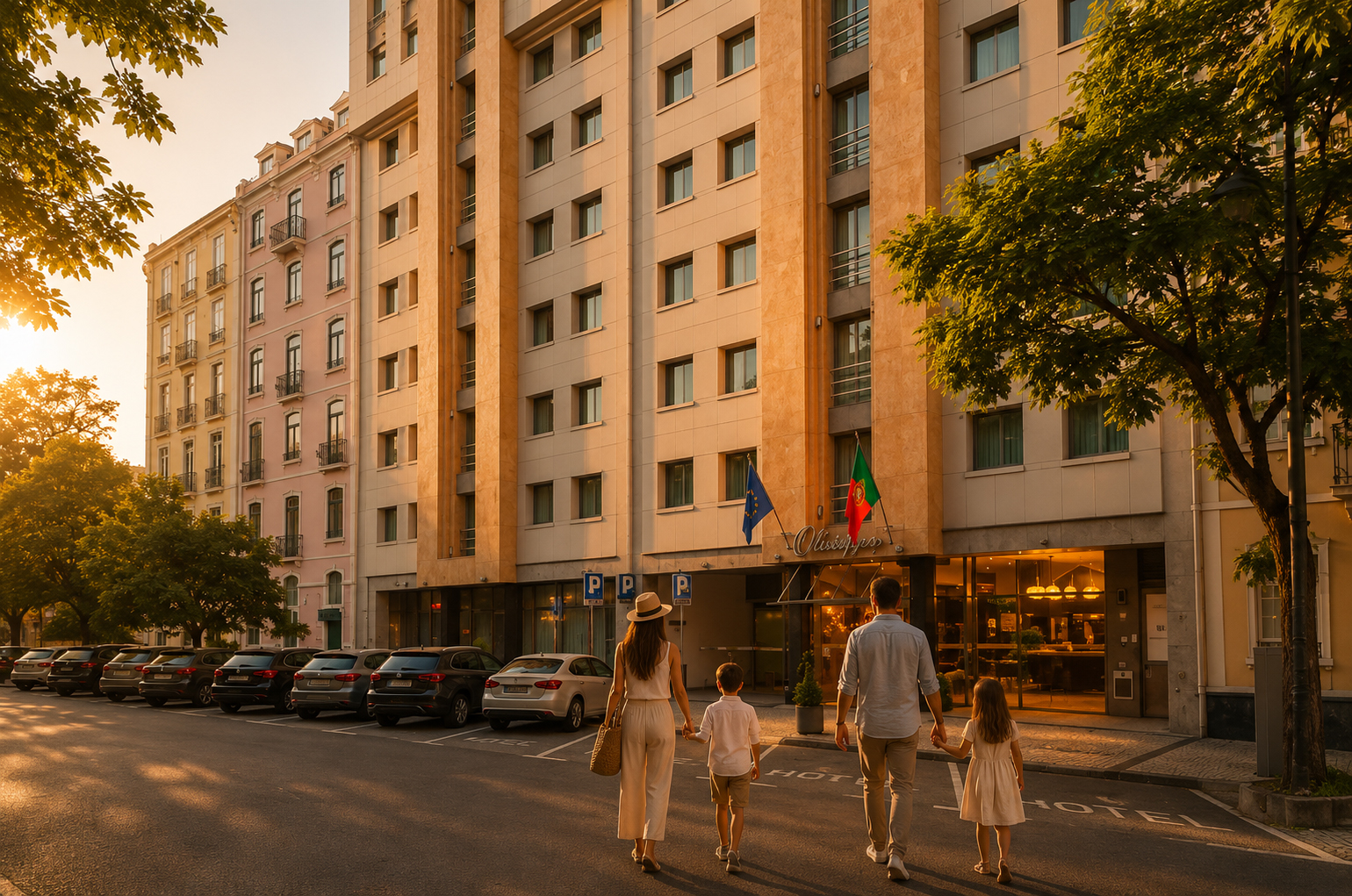
Olissippo Saldanha makes an excellent starting point.
The neighbourhood has its own morning rhythm. Pastelarias open early, the first coffees are taken at the counter, offices begin to fill and the avenues gradually come to life.
Start in much the same way.
A coffee. Toast. Perhaps a pastel de nata. Then head out.
Avenida da República is one of the great arteries of this part of Lisbon. Lined with historic and contemporary buildings, shops and terraces, it leads naturally towards Campo Pequeno.
But don’t stay only on the main avenue. Turn into the side streets.
This is where many of the details that define a lived-in city reveal themselves: old pastry shops, bookshops, florists, grocers, specialist stores and independent businesses serving primarily those who live and work nearby.
Campo Pequeno and everyday Lisbon
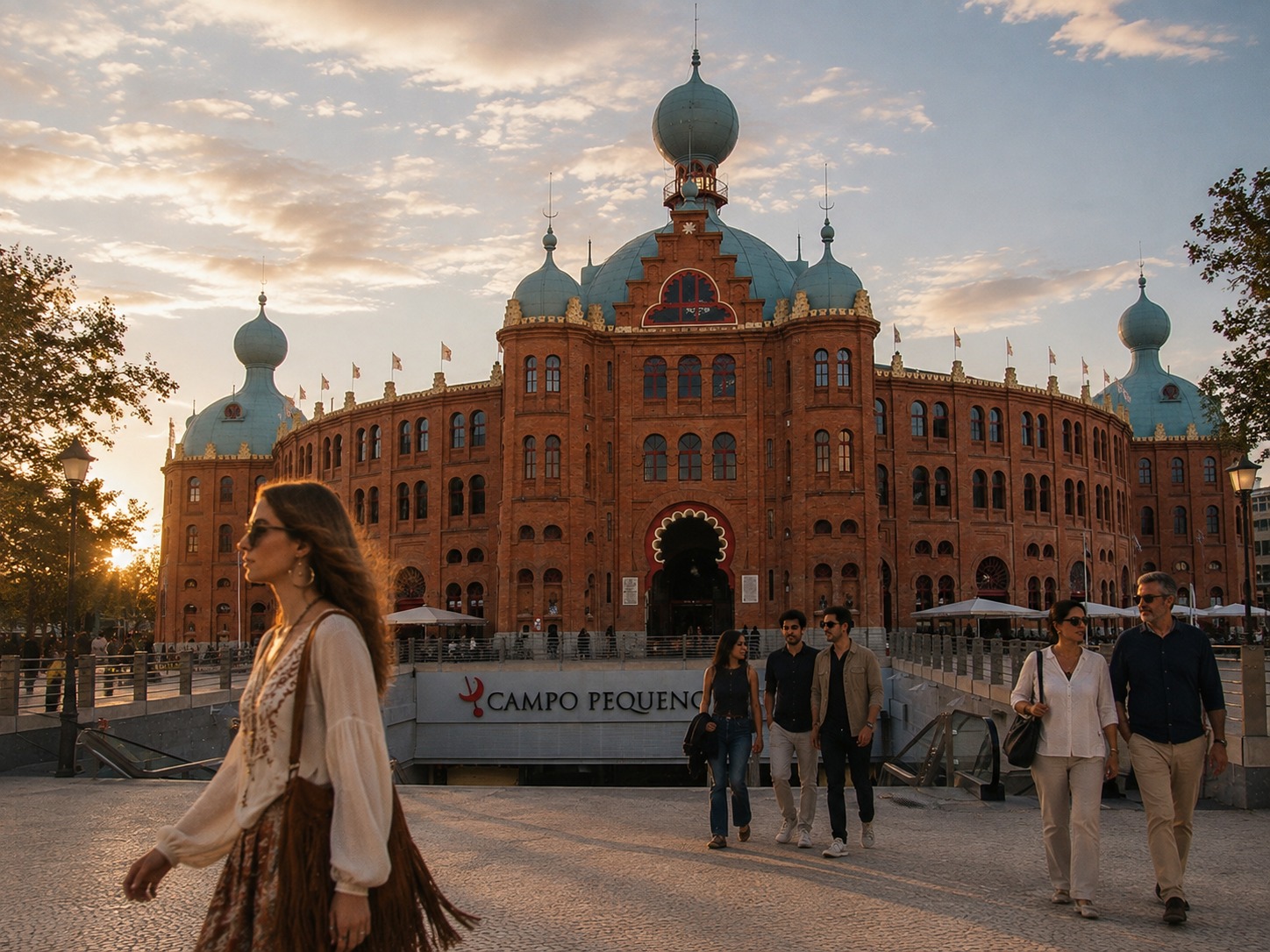
The distinctive silhouette of Campo Pequeno, with its red-brick façade and Moorish-inspired domes, remains one of the architectural landmarks of this part of the city.
Opened in the late 19th century, the building has witnessed different chapters of Lisbon’s history and today serves as a multifunctional venue for concerts, performances, shopping and dining.
Yet the neighbourhood around it is just as interesting.
The market and surrounding streets retain a strong sense of everyday life, making this a good place to watch the city go by — and to stop for something to eat.
Eat where Lisbon eats
In Avenidas Novas, food does not need to be a tourist attraction. It is simply part of neighbourhood life.
Between Saldanha, Avenida da República and Campo Pequeno, Portuguese restaurants, traditional cervejarias and pastelarias sit alongside contemporary places popular with those who live or work nearby.
Around Avenida de Berna and São Sebastião, the choice becomes increasingly cosmopolitan, with cuisines from around the world, small modern restaurants and informal cafés reflecting Lisbon as it is today.
For something light, there is always a local pastelaria serving soup, a sandwich or the prato do dia. For a longer lunch, sometimes the best recommendation is simply to see where the locals are eating.
Later in the day, the neighbourhood terraces are ideal for coffee or a glass of wine.
There is no need to find the restaurant that appears in every guide.
Part of the pleasure is finding your own.
A morning at the Gulbenkian
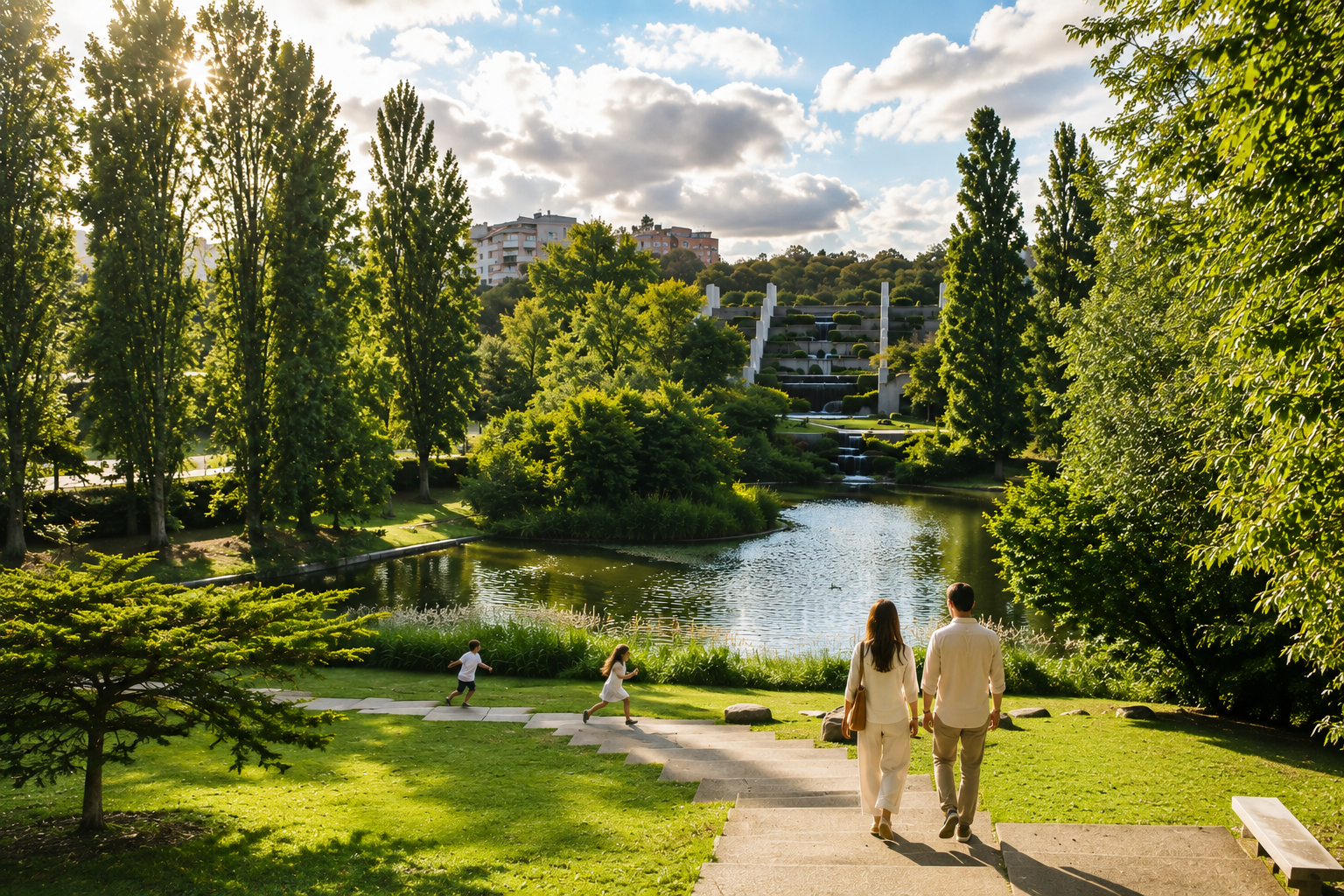
From Saldanha, continue along Avenida de Berna towards the Calouste Gulbenkian Foundation.
It is one of Portugal’s great cultural institutions and, at the same time, one of Lisbon’s finest urban retreats.
The modernist complex and landscaped gardens create almost a small city within the city. Water, mature trees, winding paths and shaded corners make it as rewarding for those interested in art as for anyone simply looking for somewhere peaceful to stop.
People read on the grass. Students meet. Families walk through the gardens. Others simply cross them on their way somewhere else. It is this mixture that gives the place its character.
The Gulbenkian Museum offers a journey through centuries of art through the remarkable collection assembled by Calouste Sarkis Gulbenkian.
But there is no need to turn the visit into a cultural marathon.
Explore a few galleries. Return to the garden. Have a coffee. Sit beneath the trees.
Sometimes, getting to know a city better means doing fewer things — and giving them more time.
Olissippo Marquês de Sá: culture on your doorstep
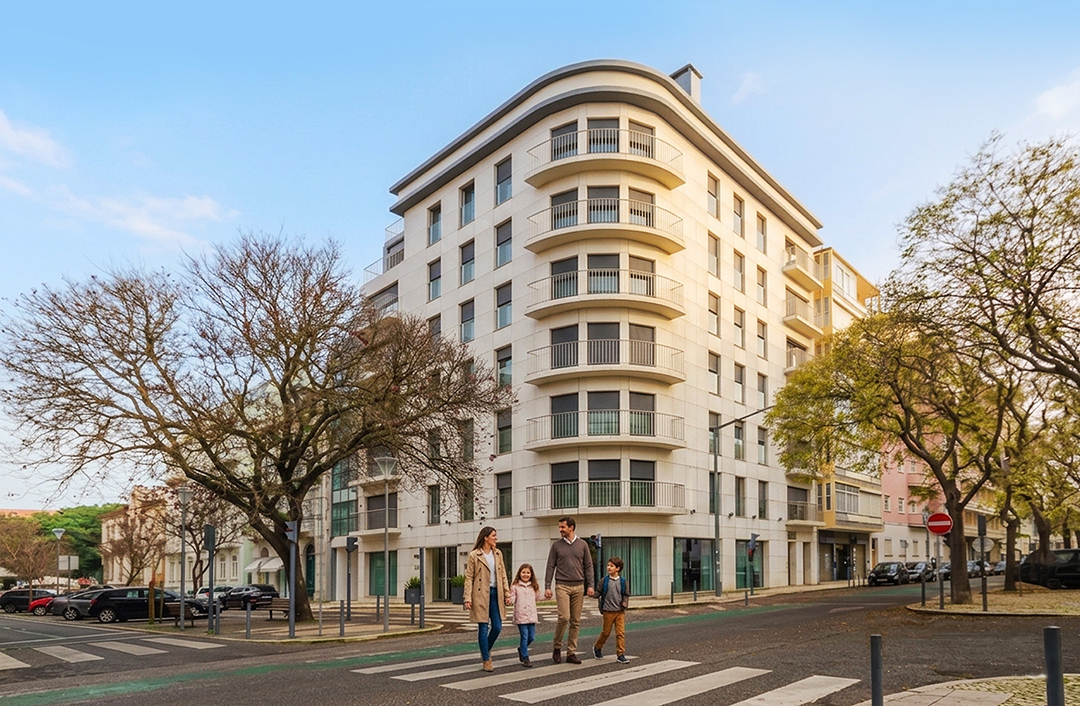
For guests at Olissippo Marquês de Sá, much of this Lisbon begins almost outside the hotel door.
Its proximity to the Gulbenkian makes it an especially appealing base for travellers looking for a quieter, cultural experience while remaining centrally located.
After breakfast, begin with the gardens and museums, continue along Avenida de Berna, explore the streets of Avenidas Novas or head towards São Sebastião.
It is particularly rewarding for returning visitors looking to go beyond Lisbon’s best-known sights — but equally suited to first-time guests who want to balance the city’s icons with a glimpse of everyday life.
Historic Lisbon remains close by. You simply approach it from a different direction.
São Sebastião and contemporary Lisbon
At São Sebastião, the city changes again.
Offices, shops, restaurants and cafés mingle with cultural venues and residential streets. El Corte Inglés has become one of the area’s main shopping landmarks, but it is worth exploring the surrounding streets too, where smaller shops and local businesses continue to thrive.
It is also a natural place to pause before continuing towards Parque Eduardo VII.
A garden in the heart of the city
A few minutes later, the landscape opens up.
Parque Eduardo VII offers one of Lisbon’s great perspectives, with views stretching across the city towards the Tagus on clear days.
Nearby is one of its more unexpected retreats: Estufa Fria.
Among ferns, ponds, small waterfalls and lush vegetation, it is surprisingly easy to forget that you are in the heart of a European capital.
It is particularly inviting in late summer and early autumn, when Lisbon remains bright but the temperatures become more comfortable for longer walks.
From here, continue towards Marquês de Pombal and down Avenida da Liberdade towards Rossio and the Baixa.
This is when one of the advantages of staying in Avenidas Novas becomes clear: you are not removed from monumental Lisbon; you simply begin discovering it from somewhere else.
September, perhaps the perfect time
There is an especially good time to discover this side of Lisbon: September.
Summer has not quite disappeared. The days remain bright and often warm, terraces stay open and the gardens still invite you to linger.
At the same time, Lisboetas return from their holidays, schools reopen and the neighbourhoods settle back into their everyday rhythm.
For visitors, it is an appealing combination.
A morning at a museum. Lunch on a street filled with people who work nearby. A garden in the afternoon. Coffee on a terrace. And plenty to discover in between.
When the best itinerary leaves room for chance
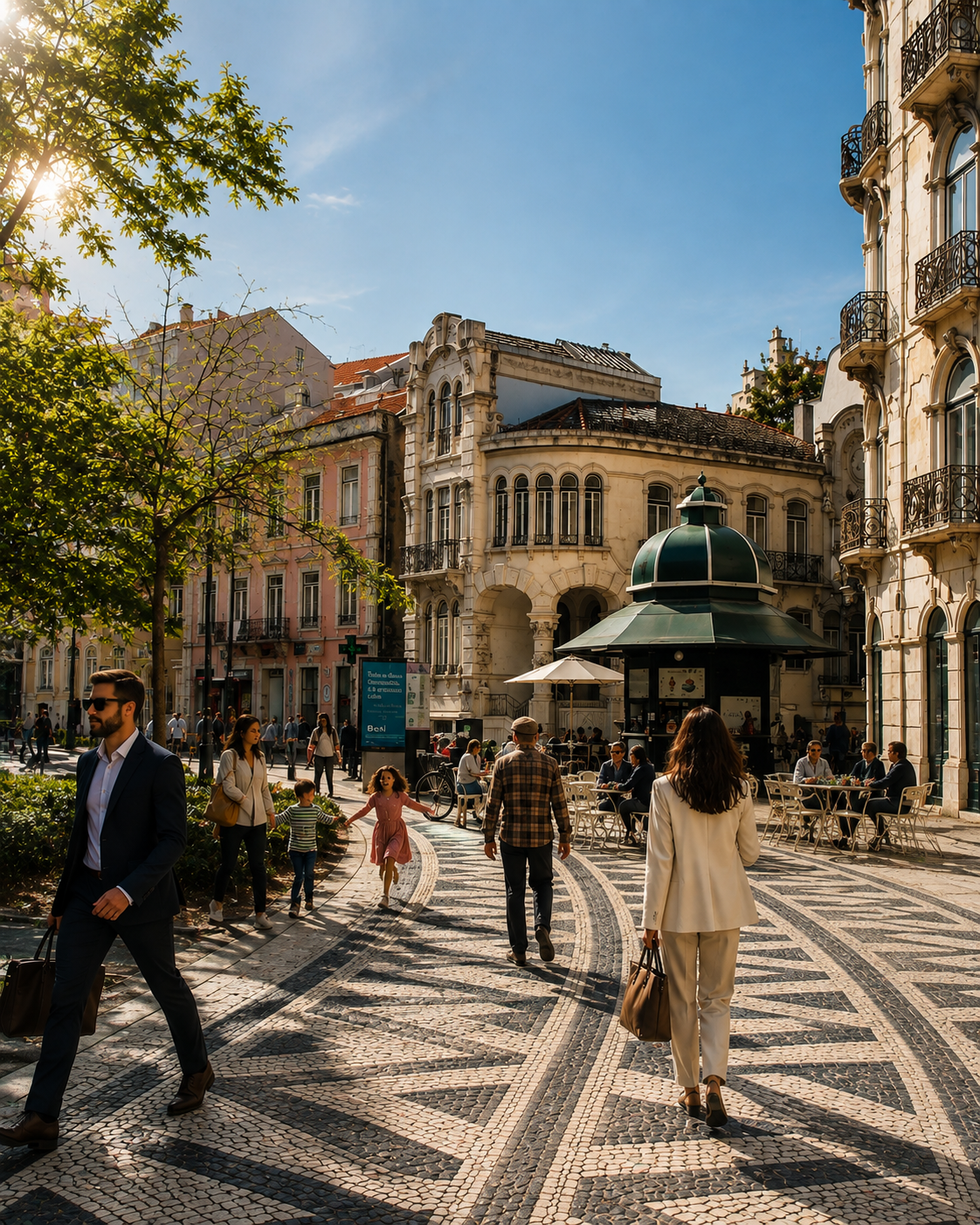
Perhaps this is the best way to experience Avenidas Novas.
Choose two or three places you genuinely want to see and leave room between them.
Walk along Avenida da República, but turn into a side street because a façade catches your eye. Visit the Gulbenkian, but spend another half-hour in the garden. Choose somewhere for lunch because you like the atmosphere. Step into a shop. Stop for coffee.
Watch the city go by.
These small detours are what turn a visit into something more personal.
Two hotels, two gateways to the neighbourhood
Olissippo Saldanha and Olissippo Marquês de Sá offer two complementary perspectives on Avenidas Novas.
From Saldanha, Lisbon feels more urban and dynamic: Avenida da República, Campo Pequeno, shops, cafés and the daily movement of the city.
From Marquês de Sá, the experience becomes greener and more cultural: the Gulbenkian, Avenida de Berna, São Sebastião, Parque Eduardo VII and Estufa Fria.
Two different locations connected by the same idea: allowing Lisbon to unfold naturally, beginning just outside the hotel.